In the competitive landscape of ecommerce, speed is your greatest asset. Many dropshippers fall into the trap of believing that their primary challenge is simply finding the "perfect" product. While product research is essential, the real growth killer is the time it takes to move a product from a supplier’s catalog to your storefront. We call this the "Listing-to-Sale" velocity gap—and it is the primary reason many promising stores fail to scale.
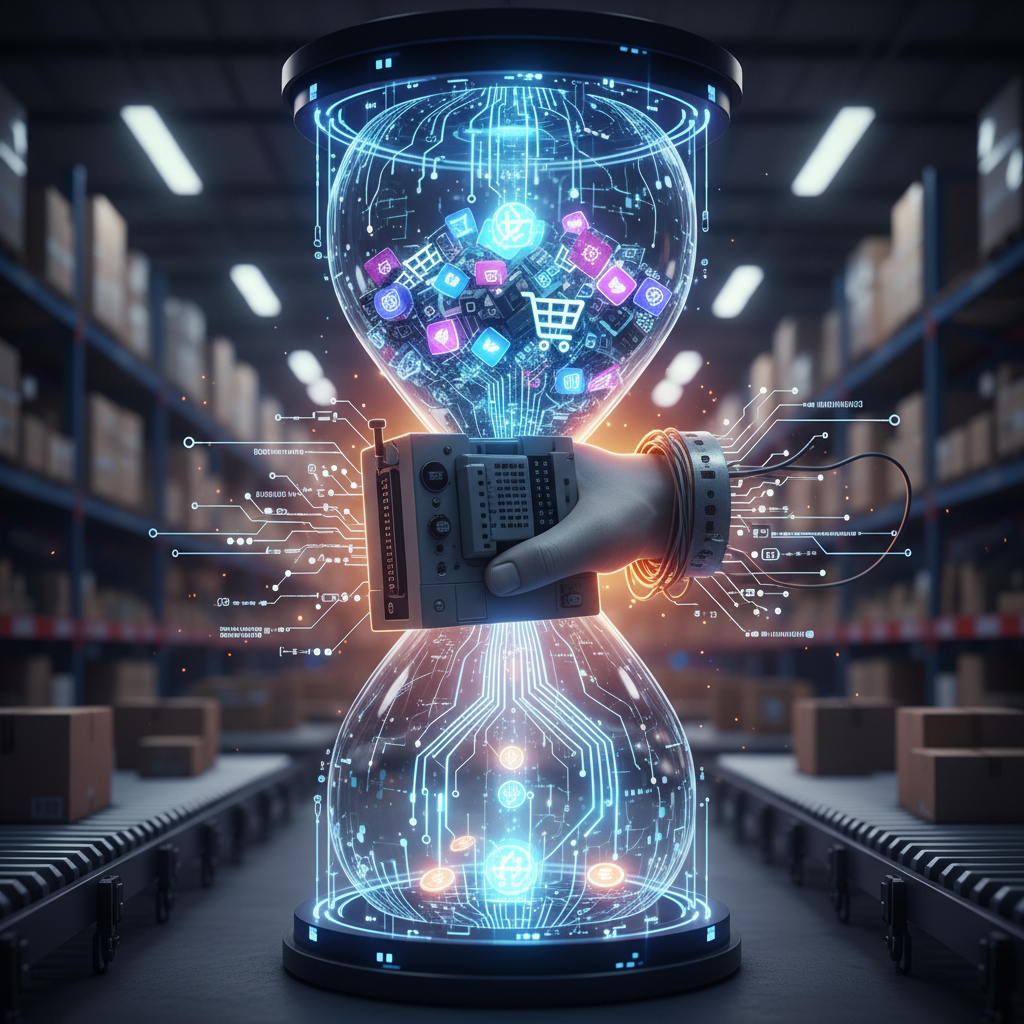
The Hidden Cost of Manual Data Entry in Dropshipping
Every hour you spend manually copying descriptions, resizing images, or updating inventory is an hour stolen from high-leverage activities like marketing strategy, conversion rate optimization, and scaling your ad spend. When you handle these tasks manually, you aren't just losing time; you are losing market momentum. By the time a trending product is finally live on your site, the initial wave of consumer interest has often already peaked.
Manual data entry is also a breeding ground for human error. Incorrect pricing, broken links, and poorly formatted descriptions create a disjointed customer experience that kills trust. These inefficiencies compound, creating a "weight" that drags down your store’s potential. If your operations are tethered to manual labor, your growth is strictly capped by the number of hours you can physically work in a day.
Defining the 'Velocity Gap': How Slow Listing Processes Stall Your Sales
The "Velocity Gap" is the time difference between identifying a winning product and having it optimized and available for purchase on your platform. If your competitors can list a product in minutes while it takes you hours, they are capturing the market share before you even get off the starting block.
This gap is about more than just speed; it is about operational consistency. An automated workflow ensures that every listing meets your quality standards, features optimized SEO, and remains perfectly synchronized with your inventory. When you bridge this gap using AutoDropMachine, you transform your store from a manual, labor-intensive project into a scalable, automated system.
Why Your Current Workflow is Leaking Revenue
Many sellers hesitate to move away from manual processes because they fear the technical setup. However, the cost of "doing it yourself" is significantly higher than the cost of implementing a professional system. Revenue leakage occurs in several ways:
- Missed Trends: You take too long to list, missing the peak of a viral product.
- Inconsistent Optimization: Manually written descriptions often lack the SEO punch needed to convert, leading to lower organic visibility.
- Operational Burnout: You spend so much time "in" the business (data entry) that you cannot work "on" the business (strategy).
The Mathematics of Automation: Scaling Without Increasing Headcount
The true power of dropshipping automation lies in its ability to decouple your time from your output. When you implement a structured system, you can handle ten times the product volume with the same amount of effort. This is the fundamental difference between a side hustle and a sustainable, professional business.
By automating the product research and listing process, you create a repeatable, predictable system. This allows you to focus on the metrics that actually matter: conversion rates, average order value, and customer retention. You aren't just saving time; you are building a foundation that can withstand the demands of a high-volume store.
How to Audit Your Store's Listing-to-Sale Efficiency
Take a hard look at your current workflow. Ask yourself these three questions:
- How many hours per week do I spend specifically on product research and data entry?
- If my store received 500 orders tomorrow, would my current listing process hold up, or would I collapse under the manual load?
- Are my current listings optimized for search, or are they just "copied and pasted" from suppliers?
If your answers highlight a lack of scalability, it is time to shift your perspective. You need a system that works for you, not a system that requires you to work for it.
Transitioning from Manual Labor to Automated Workflow Systems
Moving to an automated system doesn't have to be a daunting task. The goal is to choose a tool that balances technology with practical business application. At AutoDropMachine, we focus on providing a solution that is clear, practical, and designed to solve the specific bottlenecks faced by modern dropshippers. Our approach is built on real-world experience in ecommerce, ensuring you get a solution that actually works for your daily operations.
Whether you are operating in the US, Europe, or globally, the principles remain the same: reduce manual work, improve your listing process, and work smarter. Our systems are built to help you transition from the "manual grind" to a streamlined operations model. Stop letting manual work slow you down—automate your workflow and scale your store today with AutoDropMachine.
Frequently Asked Questions
How does automated listing improve my store's conversion rate?
Automated listing tools allow you to standardize your product descriptions and images. By applying best practices for SEO and layout across all your products, you ensure a professional, cohesive look that builds trust with your customers, ultimately leading to higher conversion potential.
What is the biggest bottleneck in a typical dropshipping workflow?
The biggest bottleneck is almost always the "Listing-to-Sale" velocity gap. Manually researching, formatting, and uploading products is time-consuming and prone to error. By automating the data entry and listing process, you remove this bottleneck and allow your business to scale based on market demand rather than your manual capacity.
How quickly can I see results after implementing an automated system?
While results vary based on your specific niche and market conditions, most sellers report an immediate improvement in operational efficiency. By freeing up your time, you can shift your focus to high-leverage marketing and research tasks almost immediately, which typically impacts your store's performance within a short period.
Is this system too complicated for a small store?
Not at all. In fact, small stores benefit the most because automation allows you to punch above your weight class. Our systems are designed to be practical and user-friendly, ensuring you don't need a massive team to handle professional-level operations. If you have questions about whether your specific store setup is a good fit, please contact us for a consultation.